zugvogelblog

Narrar el mundo y la imaginación / Narrate the world and the imagination

Etiqueta: Love

THE HISTORY OF VIOLENCE, by Thomas Ostermeier

img_5526.jpg

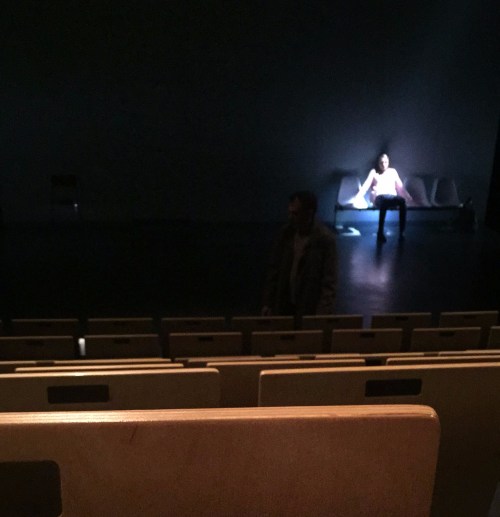
     In the history of violence -that nobody has yet written with a sense of totality and global justice-, let us at least proceed step by step. On this occasion, Thomas Ostermeier has staged in Brooklyn the eponymous autobiographical novel by Edouard Louis, which basically concerns homosexuals: ethnically discriminated or not, immigrants and native, proletarians or dispossessed and nerds who signal themselves by feeling, and by reading too much for what it is expected from them. Persecuted, attacked, bullied, fallen ill, jailed or killed. Yes. But the first lesson? Violence is never a unilateral or a bilateral question; there are always more sides to it. And those other sides can be your own kin, homosexuals or not, your partner, your friends, your colleagues; or be within yourself, or be just a part of yourself or be simply right at the heart of your love. An excellent and talented rendition of Louis’ novel in German language by Ostermeier. Two hours that fly. A pleasure to see, despite the harrowing pain.
 0237F0A3-282E-49AD-95D4-0E117546E7FB

L A H O R E

Poesía tallada, poesía escrita

IMG_1002

La tumba del Shah mogol Nur-ud-din Mohammed Salim (Jahangir, que reinó en Lahore entre 1605 y 1627)

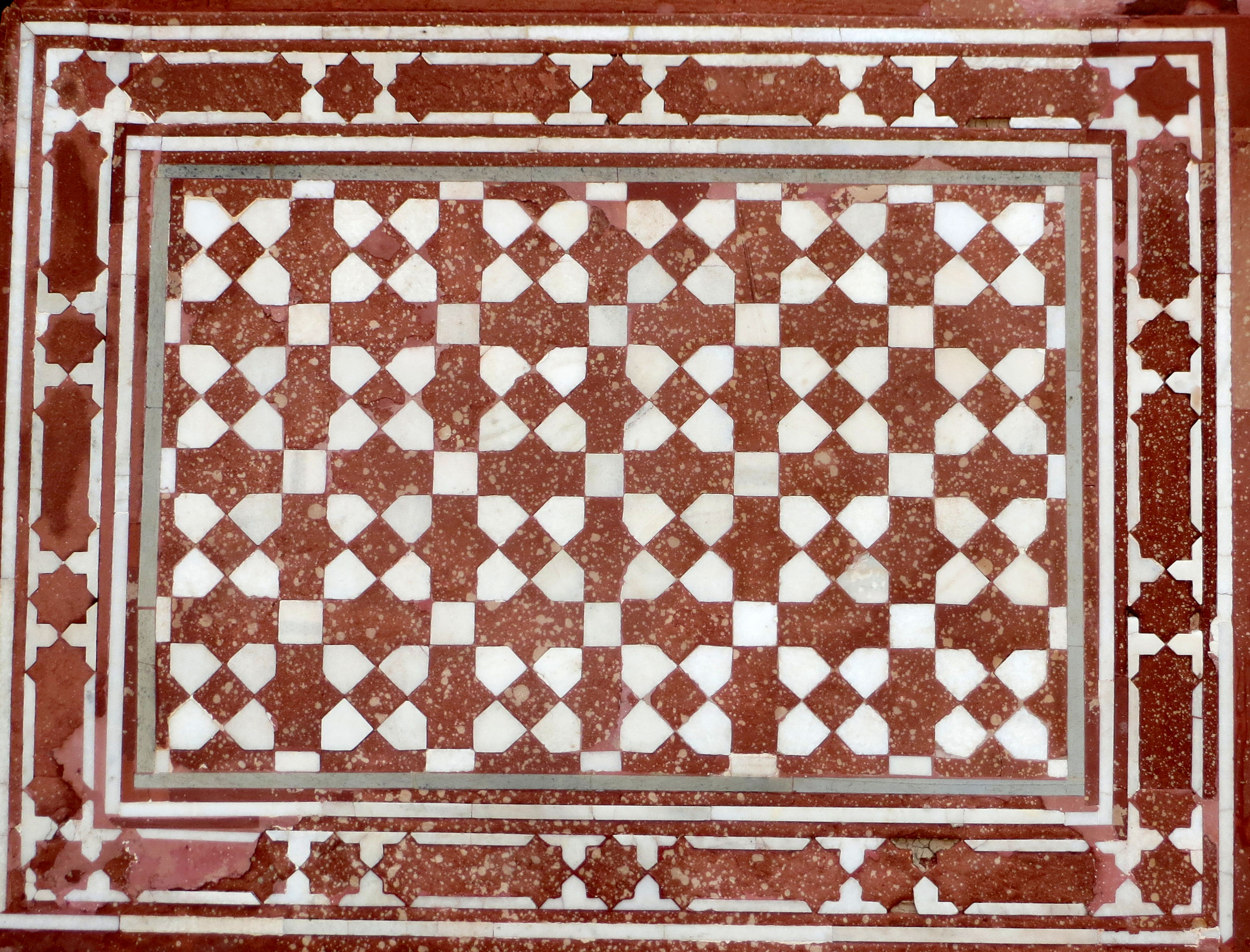
DAmero rojo blanco

fue utilizada por el Emperador sikh Rangit Singh como cuartel

Damero hexaedro

y por el ejército británico como carbonera.

IMG_1003

Se encuentra en las afueras de Lahore

puerta de la torre

y tiene cuatro minaretes de mármol, que limitan la espléndida azotea y una terraza en el centro.

Puerta de la tumba del visir

Desde los minaretes se ve la ciudad y una tumba aledaña; la del gobernador de Lahore, pariente cercano, Asif Khan, cuya hija, la princesa Mumtas Mahal fue la mujer del Shah Sahan, quién ordenó construir el Taj Mahal, la tumba dónde ambos tienen su sepultura

Tumba visir Jahangir

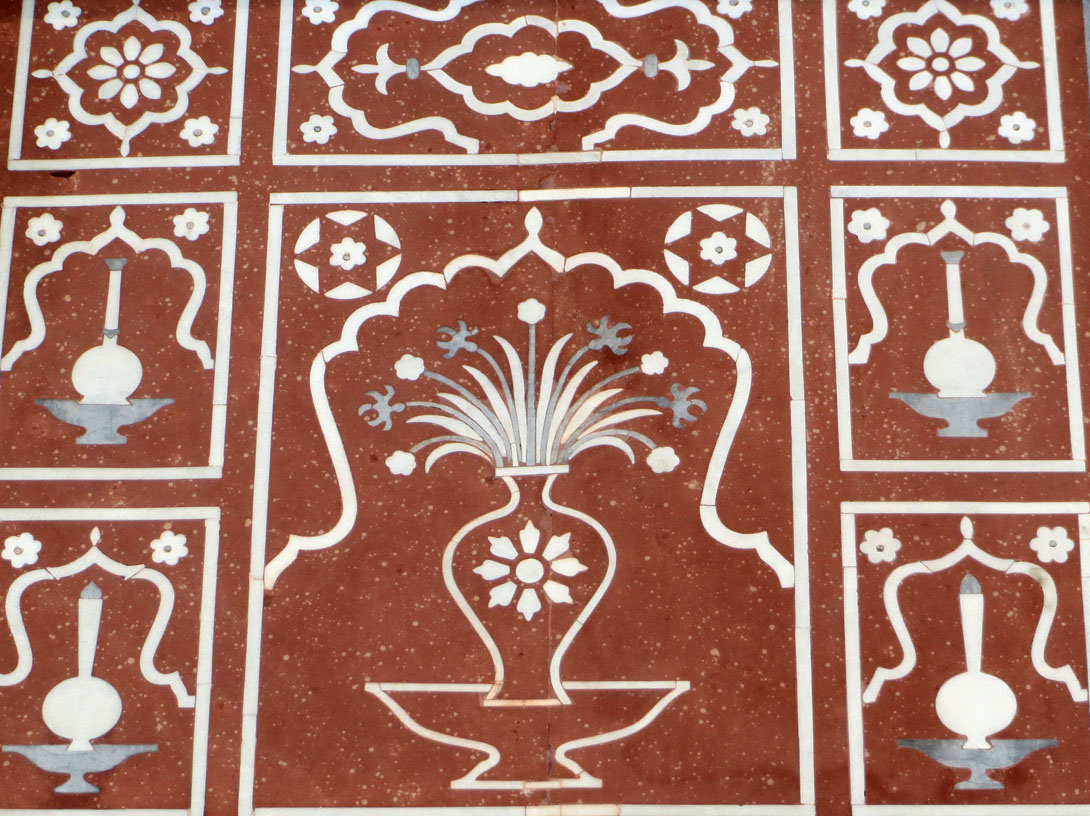
Pietra dura en la tumba de Asif Khan

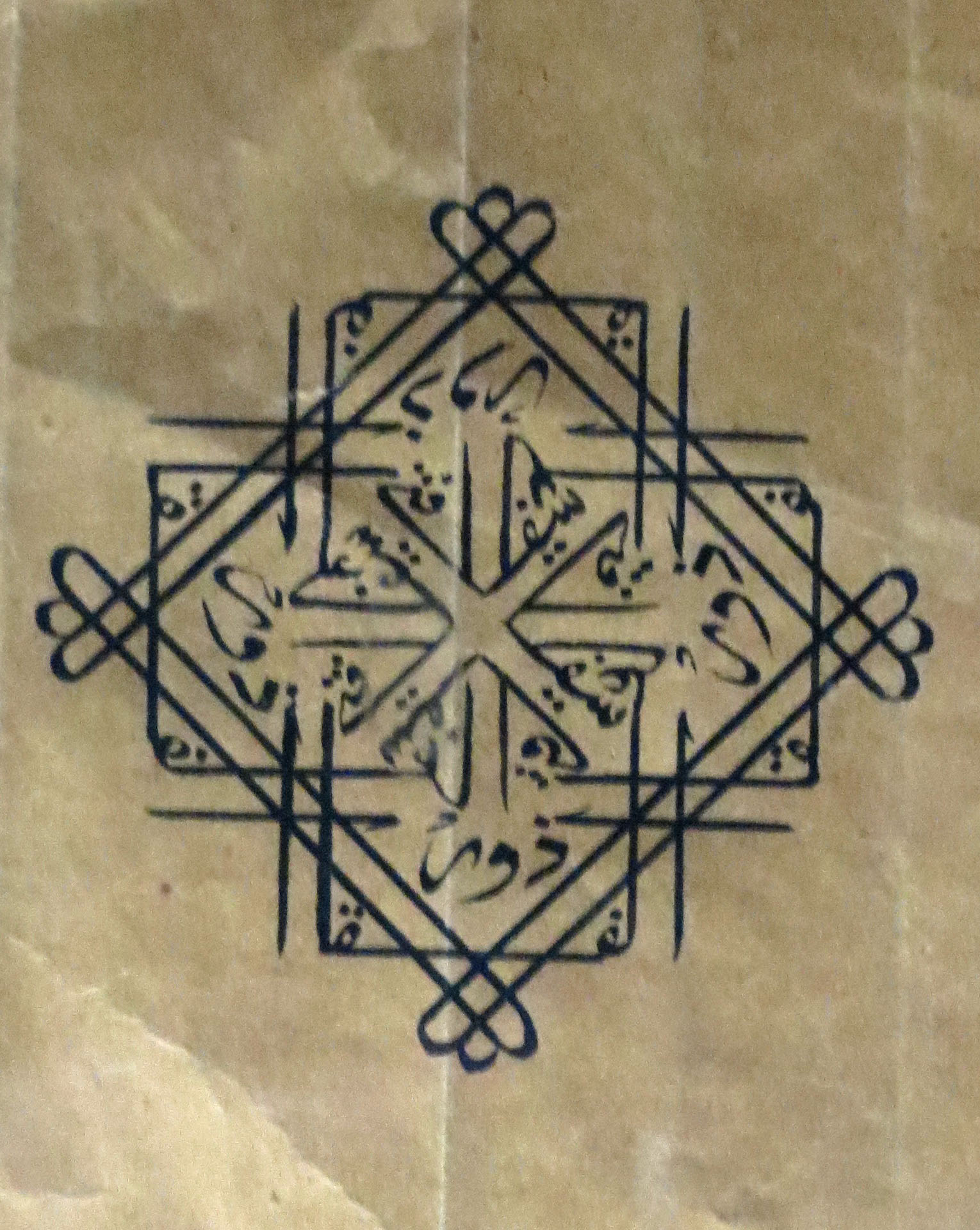
La tradición persa sentía mayor inclinación por la caligrafía como soporte del motivo:

Caligrafía azul

Así, el poema permanecía en el papel en más de una sola forma visible.

caligrafía 2

PRIVACY

.

My eyes at home

.

.

Quivering

Encounter with the Self

Leer el resto de esta entrada »